




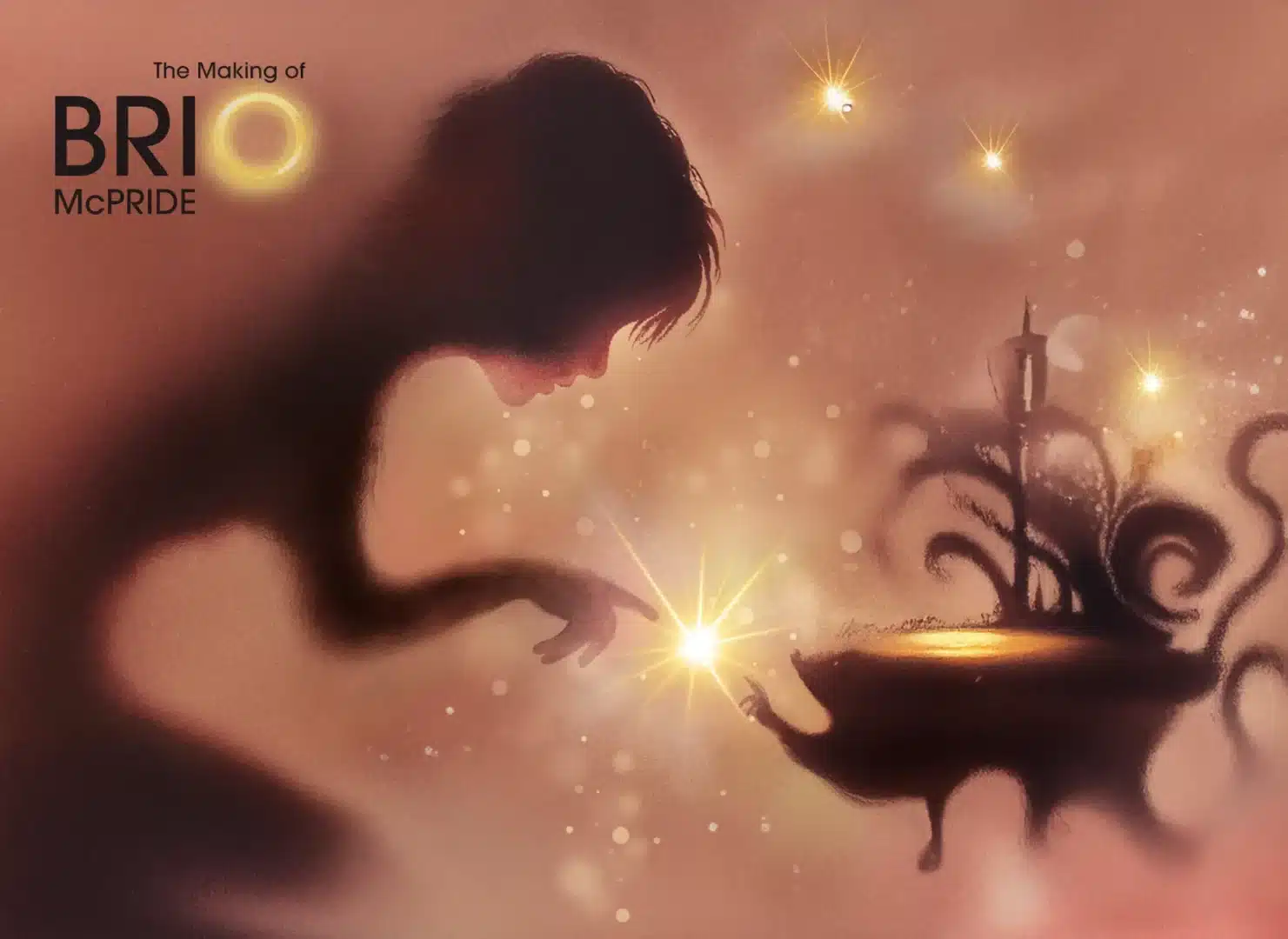
The Birth of CHANT—Fiction Meets Therapy
In The Making of Brio McPride, I created a form of talking/writing therapy called CHANT—Clinical Hypnosis-Assisted Narrative Therapy—which, to the best of my knowledge, doesn’t exist in the real world. And if any real-world practitioner has actually tried something similar, their work (a) has remained very much off-grid, and (b) probably needs to be investigated.
When I started writing the book, CHANT was a composite of two types of therapy that do exist in the real world. One is hypnosis/hypnotherapy, which has a long history that apparently goes back to Catholic exorcism rituals. The other is Narrative Therapy (NT), which entered the public domain in the 1960s and has ticked away ever since as a relatively obscure kind of talking intervention.
I did a fair bit of research into both types of therapy, and have also experienced both as a client/patient. Shortly after the book was published, I became aware of another kind of talking therapy that might well be seen as an element of CHANT. This is known as ‘avatar therapy’, which was created in 2008 by Professor Julian Leff at University College London, but then seems to have remained pretty much off the radar until last year (2024).
(Incidentally, and in reply to quite a few people who’ve asked whether the book drew directly on my own experiences, I prefer to process and explore difficult personal challenges through the clarifying filter of writing—as well as by swimming for long distances in the sea—rather than direct sharing. So I hope you’ll forgive me for not elaborating on my own quite difficult journeys in the world of psychiatry and psychotherapy.)

Anyway, I think avatar therapy can be best described as a digitally mediated, relational psychotherapy designed to help individuals who experience distressing auditory hallucinations (generally in the form of hearing voices) which are common in the context of psychotic disorders such as schizophrenia—albeit that there are differences of professional opinion on whether the term ‘schizophrenia’ actually means very much. The important thing is the symptom(s) and what kind of response can be mounted.
The reason why so many people who experience extreme forms of hallucination end up taking their own lives is because, without viable non-pharmacological options, they’ve found themselves with only two choices: debilitating hallucinations or a ‘zombified’ non-life on heavily suppressant anti-psychotic drugs.
Meanwhile, or rather in tandem (even lockstep) with the fate of many psychotic patients, a lot of psychiatrists seem to resign themselves to the equal helplessness of not being able to do anything except write prescriptions and farm the patients out to psychotherapists in the hope that something might work out one day.
Is it not fair to ask whether the doctrine (not to say dogma) within psychiatry that renders psychosis an essentially unalterable product of genetics contributes significantly to the sense of helplessness that drives people to end their own lives?
It’s quite hard to understand how bright people can be allowed to create an atmosphere of such lethal hopelessness when it’s well recognised that neural pathways in the brain can be physically re-ordered by therapies originally designed for (and expected to be limited to) functional and situational mental health issues.
Which isn’t to say that there aren’t mental health conditions that are very much driven by genetics—I can speak personally to that—but the start point must surely be one of hope rather than lazy, well-paid, defeatist determinism. Time for a lot of people to find another line of work or retire, methinks.
What avatar therapy does, on the other hand, is allow the patient to create a visual and auditory digital representation of the voice they hear—an AV-personification, if you like—that’s clear and credible enough to talk to. The trinity of patient, therapist and avatar then sit down and engage in three-way dialogue, which is directed by the therapist.
In fact, the avatar is also operated by the therapist, often using voice-morphing software. As with many other models, avatar therapy is generally delivered on a weekly basis, and a course lasts six weeks, or twelve when a more in-depth exploration is required.

A huge part of the suffering involved in psychotic hallucinations, both auditory and visual, is the helplessness and despair people feel when they’re in the clutches of an event, and the aim of avatar therapy is obviously for the patient to be able to directly confront ‘the voice’ on equal terms, as it were, and ultimately gain control.
Over time, as the avatar therapy progresses and the patient gains confidence and control, the avatar’s tone can shift from hostile to more supportive.
Although avatar therapy was created back in 2008, it wasn’t until 2024 that large scale trials were conducted. And the results were promising, with both six- and twelve-week participants reporting significantly reduced voice-related distress compared to their usual support and treatment.
People found that being able to ‘see and speak to’ the voice was very emotionally powerful, and the very fact that the therapy was being trialled helped them feel heard after so long in the wilderness. They also found the digital nature of the therapy a big positive.
As of the date of this blog, the UK’s National Institute for Health and Care Excellence (NICE) has provisionally endorsed avatar therapy as a digital health technology that could be offered by the NHS while more evidence is gathered.
‘You know, buddy, fighting these monsters isn’t the only way. Because those guys don’t want to be unhappy either. So maybe, if you let ’em tell you their troubles, they’ll even speak a story to you from deep within.’ from The Making of Brio McPride
If you read The Making of Brio McPride, you might find places where CHANT seems to have been directly based on avatar therapy, not least because of the way it’s delivered by Brio’s maverick therapist, Stephen Logue—Logie to his friends. As I said, though, the book came several years before the 2024 trials put avatar therapy on the radar, and even now avatar therapy isn’t exactly the stuff of prime-time TV.
Perhaps instead of writing the novel I should have tried to put CHANT into practice in the real world, then I would have come across avatar therapy and could have got involved. Instead I guess I left it to Logie, who in the inaugural ‘deep state’ session quietly says to Brio:
‘You know, buddy, fighting these monsters isn’t the only way. Because those guys don’t want to be unhappy either. So maybe, if you let ’em tell you their troubles, they’ll even speak a story to you from deep within.’
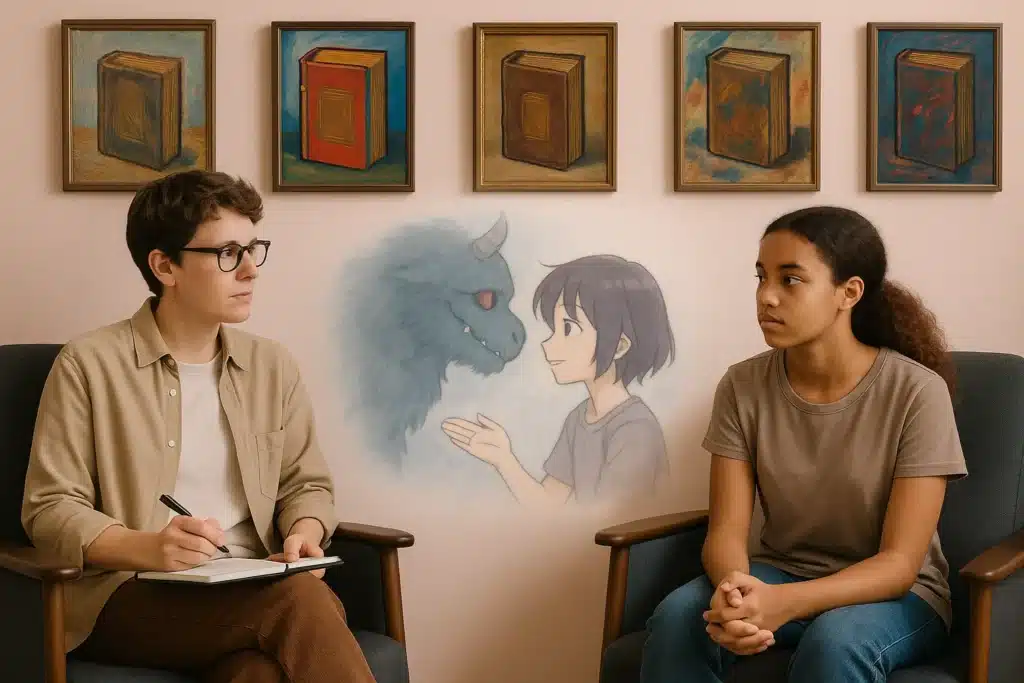
Narrative Therapy and the Roots of Storytelling
NT represents a distinctive approach to psychotherapy that fundamentally re-conceptualises how we understand human problems and the therapeutic process itself. At its core, this therapeutic modality seeks to help individuals identify their values and the skills associated with them, providing knowledge of their ability to live these values while effectively confronting current and future challenges.
Rather than viewing people as damaged or problematic, NT positions individuals as the experts of their own lives, possessing a package of inherent skills, competencies, beliefs, values, commitments, and abilities that can assist them in reducing the influence of problems.
The approach rests on the premise that our lives are shaped by the stories we tell about ourselves, and also by those that are told about us. These narratives determine what we believe is possible for ourselves, and totally influence our identity construction.
Through a collaborative process between therapist and client, NT aims to help people ‘re-author’ their life stories, identifying and strengthening alternative narratives that align with their preferred values and ways of being. The therapy deliberately avoids pathologizing language and diagnostic labels, instead emphasising collaborative dialogue centred on values and strengths.
Central to NT is the principle of externalisation—the practice of separating people from their problems. This allows individuals to view their difficulties as something they have rather than something they are, creating space for more productive engagement with challenges.
The approach is explicitly positioned as a social justice methodology, seeking to challenge dominant discourses that shape people’s lives in destructive ways and examining how social, political, and cultural contexts influence personal narratives.
In effect, NT is also an avatar therapy, because it has exactly the same objectives and involves exactly the same process, except that whereas in auditory avatar therapy the hostile actor is ‘the voice’, in NT the antagonist is the negative narrative that’s holding the person back.
In both cases, the antagonist embodies whatever fears, experiences or anxieties are oppressing the patient, and in both cases, the aim is to confront, possibly tame and even befriend the antagonist as a way of taking control of its activity.
The difference is that in NT, the person can (though doesn’t always) become a character in the narrative, whereas in avatar therapy, the person remains formally separate to ‘the voice’.
The effect is the same though: the person is confronting and taking control of their inner self. In The Making of Brio McPride, the problem comes when other powerful forces want to take control of that narrative too.
In effect, NT is also an avatar therapy, because it has exactly the same objectives and involves exactly the same process, except that whereas in auditory avatar therapy the hostile actor is ‘the voice’, in NT the antagonist is the negative narrative that’s holding the person back.
The Deep Psyche Innovation from Down Under
NT emerged during the 1960s and 1980s, primarily through the pioneering work of Australian social worker Michael White and David Epston of New Zealand. Their collaboration produced a therapeutic approach that drew from diverse intellectual traditions while maintaining a distinctly postmodern orientation.
The development of NT was significantly influenced by the philosophical work of Michel Foucault, particularly his ideas about power, knowledge, and discourse. Foucault’s understanding of how dominant cultural narratives shape individual identity and experience became foundational to NT’s approach to deconstructing problematic stories.
The psychological contributions of Jerome Bruner were equally influential, especially his work on the narrative construction of reality and the role of storytelling in meaning-making. Lev Vygotsky’s sociocultural theory also informed the approach, particularly his emphasis on the social nature of learning and development.
These theoretical foundations converged to create a therapy that views identity as primarily social rather than biological, constructed through language and stories rather than fixed by nature.
The approach gained momentum throughout the 1980s and 1990s, with the establishment of the Dulwich Centre in Adelaide, Australia, in 1983 serving as a crucial hub for training, practice development, and international dissemination.
While initially developed within the context of family therapy, narrative approaches have since expanded into community work, schools, higher education, and various therapeutic settings.
The evolution of NT has been marked by continuous refinement of techniques and expansion into new areas of application, while maintaining its core commitment to non-pathologizing, collaborative practice.

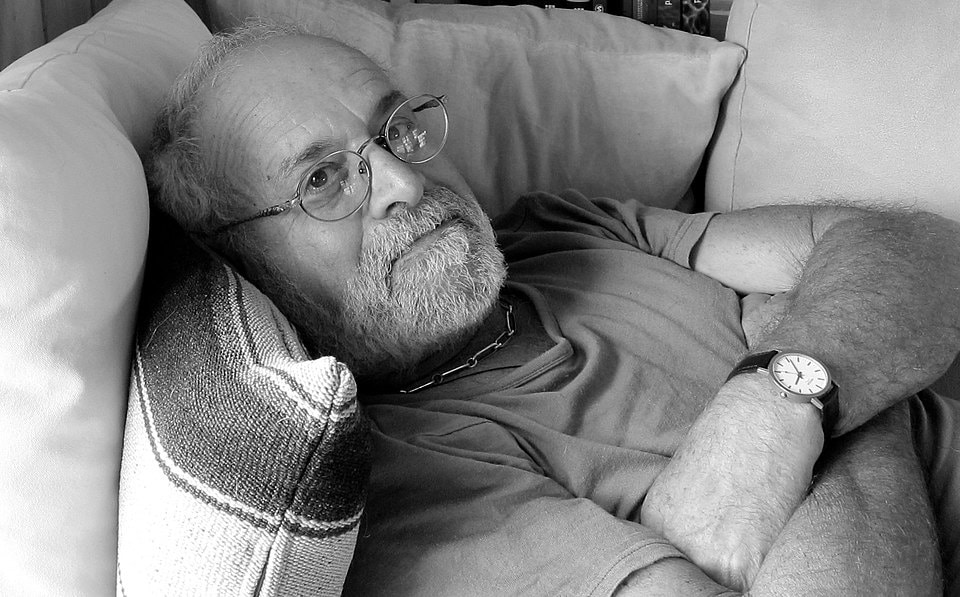
Michael White and David Epston [both images: public domain, Wikipedia]
Applications and Scope of Narrative Therapy
NT has demonstrated versatility in addressing a wide range of psychological and social challenges. Research evidence indicates its effectiveness for depression, with meta-analyses showing significant improvements in depressive symptoms across diverse populations.
Studies have found it particularly effective for adults with somatic disorders, cancer patients, pregnant women, nurses, stroke patients, cardiac patients, and those undergoing dialysis.
The therapy has shown promise in treating anxiety disorders, with research documenting reductions in anxiety symptoms among various populations, including students facing examination stress and individuals with amphetamine addiction.
Narrative approaches have proven valuable in the realm of trauma treatment, too, particularly with refugee populations and those affected by war and political violence. Narrative Exposure Therapy, a specialised adaptation of NT, has shown medium to large effect sizes in treating post-traumatic stress disorder.
The approach has been successfully applied to eating disorders, with practitioners like David Epston, Stephen Madigan, and Catrina Brown developing de-pathologizing interventions that challenge dominant cultural narratives about body image and food.
The finding that peer-delivered interventions can achieve above-average outcomes suggests serious untapped potential for community-based mental health initiatives—in effect, collective self-help.
Family and relationship contexts represent another significant area of application. Narrative family therapy has shown efficacy in reducing parent-child conflicts and improving family dynamics. Research indicates improvements ranging from 88% to 98% decrease in conflict when narrative techniques are systematically applied.
The therapy has also been used effectively with men who perpetrate domestic violence, with Alan Jenkins and Tod Augusta-Scott developing respectful, collaborative approaches that integrate social-political analysis while engaging men in change processes.
Special populations have benefited from adapted narrative approaches. Work with children and adolescents has shown improvements in self-concept, reductions in disruptive behaviour, and enhanced emotional regulation.
Studies with children of imprisoned parents have documented significant reductions in both depression and anxiety. Community applications through exercises like the ‘Tree of Life’ have successfully mobilised communities to act according to their values, demonstrating the approach’s potential beyond individual therapy.

The Effectiveness and Practitioner Base of Narrative Therapy
The evidence base for NT has grown substantially, though it remains smaller than for some established therapeutic approaches. Meta-analyses have revealed medium to large effect sizes, the relative outcomes depending on the population and implementation method.
Particularly noteworthy is research showing that when interventions were delivered by adequately trained refugee counsellors treating fellow refugees, the measured outcomes were significantly higher than average, which clearly suggests the power of shared experience and cultural understanding.
Recent systematic reviews have identified consistent positive outcomes across diverse applications. A 2022 systematic review found that studies using essential narrative techniques such as externalisation, unique outcomes, and meaning-making showed increased efficacy.
Research on narrative family therapy for children and adolescents with diverse psychiatric symptomatology has shown statistically significant improvements in self-concept, depression, anxiety, and disruptive behaviour indices.
While exact numbers of practitioners worldwide are difficult to determine, the approach has gained international recognition and adoption.
The Dulwich Centre maintains connections with practitioners across multiple continents, and NT is now taught in numerous counselling and psychotherapy training programs globally.
The approach appears particularly popular in Australia, New Zealand, North America, and increasingly in Asian countries, with recent studies showing significant uptake in China.
Professional organisations and training institutes dedicated to narrative approaches exist in many countries, though the decentralised nature of the field makes precise practitioner counts challenging.
Limitations and Challenges
Despite its growing acceptance, NT faces several significant criticisms and limitations. The most substantial critique concerns its theoretical foundations in social constructionism, which some argue leads to a relativistic stance that there are no absolute truths, only socially sanctioned viewpoints.
Critics contend this philosophical position can be problematic when dealing with serious mental health conditions that may have biological components or when clear factual determinations are necessary.
The approach has also been criticised for creating what some see as a cult-like following around its founders, with concerns that leading proponents can be overly dismissive of other therapeutic modalities. This insularity has sometimes limited productive dialogue with other therapeutic traditions and may have hindered integration of valuable techniques from other approaches.
A persistent challenge is the relative lack of quantitative research supporting NT’s efficacy compared to more established treatments. The approach’s philosophical orientation toward qualitative outcomes often conflicts with the quantitative research standards predominant in evidence-based practice.
This has resulted in fewer randomised controlled trials and limited inclusion in treatment guidelines, potentially restricting access to NT in healthcare systems that prioritise empirically supported treatments.
Practical limitations include the approach’s heavy reliance on language and verbal processing, which is something that may not suit all clients, particularly those with limited verbal abilities or certain cognitive impairments. The emphasis on cultural and social contexts, while valuable, can sometimes lead to insufficient attention to biological or medical factors that may contribute to psychological distress.
Additionally, the indirect, exploratory nature of narrative conversations may not provide the immediate symptom relief that some clients urgently need.
Case Studies from Practice
While many published case studies use composite or anonymised examples to protect client confidentiality, documented applications of NT do appear to demonstrate its practical implementation across diverse settings.
The following summaries (that were generated using the GPT Claude Opus 4.1) are intended to represent a reasonable cross-section of the kind of real world situations in which NT seems to have been effective.
- Research published in the Journal of Child and Adolescent Mental Health documented work with 85 children whose parents were imprisoned. Following narrative group therapy intervention, participants showed substantial reductions in both anxiety (effect size = 0.90) and depression (effect size = 3.05), demonstrating the approach’s potential for addressing complex family situations and their psychological impact on children.
- A study published in Frontiers in Psychiatry described NT work with a 43-year-old woman diagnosed with hypoxic ischemic encephalopathy following acquired brain injury. Through re-authoring her identity from an ‘illness narrative’ to alternative stories emphasizing her continued capabilities and values, she experienced significant improvements in mood and functional capacity, highlighting the approach’s applicability to neurological conditions.
- Research from Denmark’s Child and Adolescent Mental Health Services documented outcomes for 48 young patients receiving narrative family therapy. The intervention resulted in significant improvements across multiple measures, including a 60% effect size improvement in self-concept and reductions in depression and disruptive behaviour, with parents reporting increased agency in managing their children’s difficulties.
- Published work with refugee populations using Narrative Exposure Therapy has shown consistent positive outcomes. Studies with survivors of war and political violence have documented effect sizes ranging from 0.53 to 1.02, with particularly strong results when interventions were delivered by trained refugee counsellors working with their own communities.
- A randomized controlled trial with orphaned and abandoned children in Rwanda’s SOS Children’s Villages demonstrated NT’s effectiveness in building resilience. Following ten sessions of adapted Tree of Life intervention, participants showed significant improvements in resilience measures compared to control groups, illustrating successful cultural adaptation of narrative techniques.
- Research published on NT for women experiencing low marital satisfaction showed improvements in communication patterns and relationship quality. The externalization of relationship problems allowed couples to collaborate against difficulties rather than against each other, demonstrating the approach’s utility in relational contexts.
- A study of NT integrated with outdoor adventure therapy for adolescents showed improvements in self-esteem and reduction in risk-taking behaviours. This innovative combination illustrated how narrative principles can be successfully integrated with other therapeutic modalities to enhance outcomes.
- Published case studies from addiction treatment settings have documented the use of narrative approaches with individuals struggling with substance abuse. By externalizing addiction and exploring unique outcomes when individuals successfully resisted substance use, clients developed stronger recovery narratives and increased self-efficacy.
- Work with individuals experiencing psychosis has shown how narrative approaches can help people make meaning of their experiences without necessarily accepting biomedical explanations. This has allowed for collaborative treatment planning that respects diverse understandings of mental health experiences.
- Documentation from school-based interventions has shown NT’s effectiveness in addressing behavioural challenges without pathologizing students. By examining how ‘reputations’ develop and creating opportunities for ‘re-authoring’ student identities, practitioners have facilitated positive changes in academic engagement and peer relationships.
And now, after that brief and very interesting (if somewhat formulaic) ‘intervention’ from the formidable world of GPTs, it’s back to me for a wrap.
Lessons for the Future of Narrative Therapy
Perhaps the most succinct way to describe NT is as a significant departure from traditional psychiatric and psychological approaches that offers a collaborative, non-pathologizing framework for addressing human distress.
Its emphasis on the social construction of identity, the power of language and stories, and the separation of people from their problems provides a pretty unique therapeutic stance that resonates with many clients who have felt blamed or pathologized by other approaches.
NT’s explicit attention to issues of power, culture, and social justice makes it particularly relevant in our increasingly diverse societies.
The growing evidence base, while still developing, suggests that NT can be effective across a range of conditions and populations—particularly where those groups are significantly shaped by oppressive social narratives, cultural marginalisation, or traumatic experiences.
The finding that peer-delivered interventions can achieve above-average outcomes suggests serious untapped potential for community-based mental health initiatives—in effect, collective self-help.
But NT is admittedly not without limitations. Its philosophical foundations may not align with all clients’ worldviews, and its indirect approach may not suit those seeking immediate, structured interventions.
The relative lack of quantitative research also remains a barrier to wider acceptance and integration into mainstream mental health services. In short, its basis in the politics of social justice rather than ‘medicine’ leaves it open to criticism from the majority of other psychotherapy models.
As mental health fields increasingly recognise the importance of client expertise, cultural context, and collaborative practice, NT’s contributions have the potential to become ever more relevant.
From what I’ve personally read and experienced—and written, of course—I believe that NT is a very valid form of talking intervention that can be highly effective, even if you discount the ‘just talking to someone’ factor that comes with all psychotherapy.

All things considered, I think it’s fair to say that NT is still not exactly well known and mainstream, and it’s really hard to know just how much it’s used around the world. But I do think that after a long period of kind of ‘ticking along’, it’s in a good position to generate renewed interest and greater uptake. It certainly has the potential to do much more.
Even though the need and demand for psychotherapy is pretty much bottomless and open-ended, I think NT’s position on the sidelines is mainly due to the prevalence of other forms of therapy—mainly the mainstream cognitive, behavioural and cognitive behavioural models, but also the many other specific types like Gestalt, EMDR (Eye Movement Desensitisation and Reprocessing), MBCT (Mindfulness-Based Cognitive Therapy), and IPT (Interpersonal Therapy).
Some scholars estimate there to be over 400 named psychotherapies worldwide, though it’s probably fair to say that most are adaptations, hybrids or specific techniques derived from the big ‘schools’.
But even when people look specifically into the creative therapies as something that might help them or a family member, they tend to find Art Therapy and Music Therapy and not hear about Narrative Therapy.
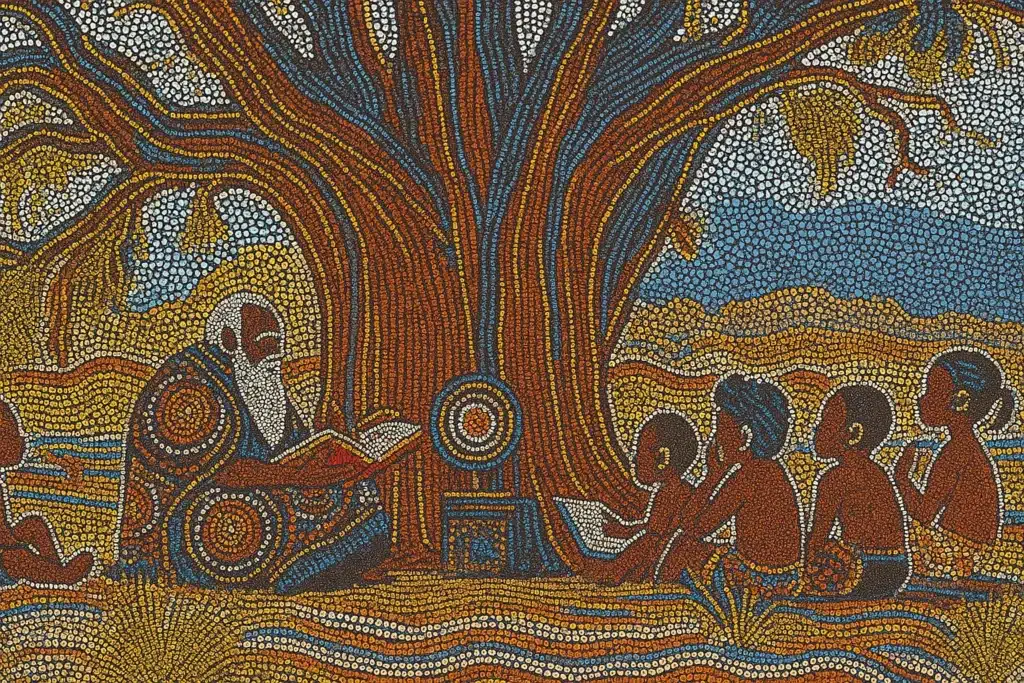
What strikes me as particularly odd about this relatively lower interest in NT is the fact that actually the main tool we all use for navigating our way through life is already a kind of ‘narrative therapy’, if not the very inspiration for it—namely storytelling in all its weird and wonderful shapes and forms.
From the earliest age to the end of our lives, we constantly read and watch and listen to stories not just for light relief and entertainment, but to learn about the kind of situations and people we’re going to encounter, or have encountered.
That’s to say, we immerse ourselves in stories to fast-track the assimilation of life lessons by taking them on board from others who have already travelled those particular paths. And the more profound and universal that life lesson is, the greater the shelf-life the story usually enjoys.
In fact, once you start dealing in the most fundamental life lessons and ur-narratives of all, you tend to find yourself talking about works that have become either ‘there forever’ stories like The Iliad and The Odyssey, Hamlet, War and Peace, Moby Dick, The Lord of the Rings, Star Wars and probably the Harry Potter octalogy, or full-on scriptures that have come to form the basis of global religions—or as one character in the novel puts it:
‘Our stories are more than good, buddy. They’re our gods. Coz like I said, that’s what we invented them to be. And we only have religions because we’re wowed by stories and poetry that are so great we’re willing to believe they came from God.
Which means that for all intents and purposes, they did come from God. And if we didn’t have them, we’d just be avoiding black cats and broken mirrors and giving ladders such a wide berth we’d get cleaned up by a passing bus.’
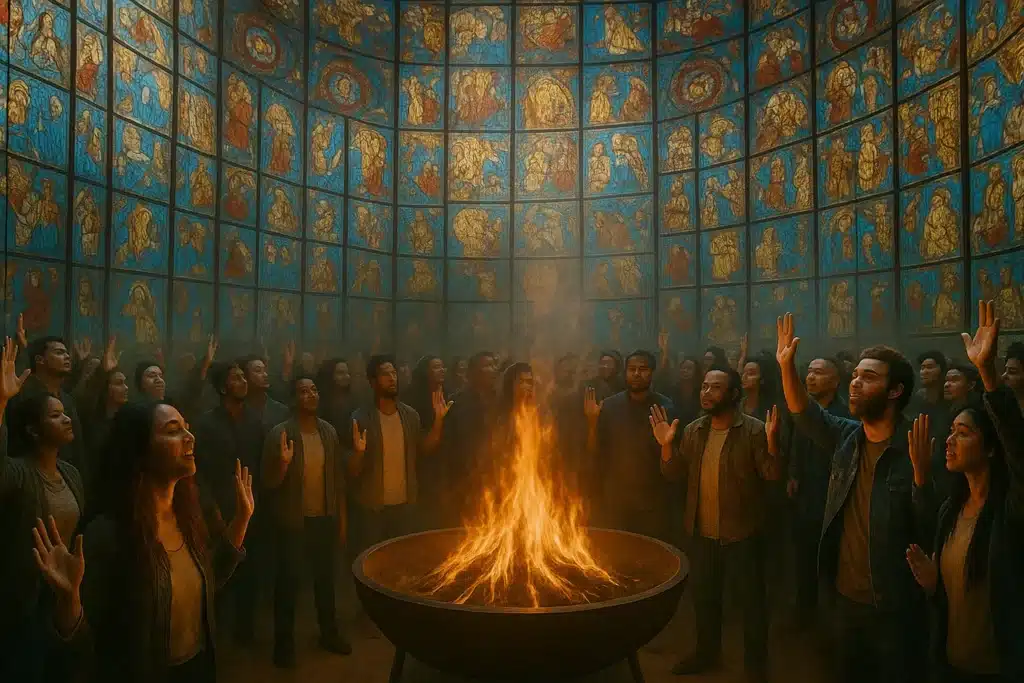
So yes, before the age of ‘industrial’ storytelling, we had a thing called religion, which surely features narrative therapy as a central medium. In some faiths or denominations, you even get a range of other well-known therapy models thrown in, like Neuro-Linguistic Programming (prayer and chant), meditation, meditative singing and chant, and aromatherapy (incense and joss sticks)—not to mention the good old restorative called ‘community’.
And before someone sends me an undesirable gift in the mail, I don’t mean that God is a fiction, I mean that the way we’ve always attempted to engage with the divine is through story, because sharing stories of how God might be acting among us, and giving human characteristics to God, are really the only ways to explore something that is by definition unknowable.
Hence, I was very happy that the kind of therapy I needed to create for The Making of Brio McPride lent itself so readily to the acronym CHANT.
My own spiritual practices and habits aside, I think I personally had most success with NLP (Neuro-Linguistic Programming), together with a type of psychiatrist-delivered meditative hypnosis that I didn’t want to ask about because I wanted to block any attempt by my brain to look behind the curtain and try to understand intellectually what was happening.
What seems very important with any form of therapy is to find a model and a practitioner that feels right, then place yourself in their hands and try to give them direct access to your unconscious. In essence, you need to suspend disbelief and believe in Father Christmas.
This obviously requires considerable trust, and I feel that I myself was only let down on one out of my four main beneficial psychotherapy / psychiatry experiences. I had other experiences too but those I prefer to forget.
Anyway, as we now look at the scope for NT to gain greater traction and recognition, the reality is that we’re entering a whole new gigantic world of AI-based psychotherapy and quasi-psychotherapeutic companionship bots.
And this could mean one of two things for NT: either it finds itself even more on the outer because of the likely success of AI-based therapies, or it embraces the change and makes use of the technology to give itself a new lease of life, perhaps on the grand scale.
Speaking of which, perhaps I should mention that what happens to CHANT in the Brio novel is that it becomes CHANTbot-vip (Virtual Interactive Platform), and this is where Brio really finds himself up against the machine.
What I’ve tried to show is how the power of AI to take control of our lives isn’t going to play out through an army of mutant C3PO’s overwhelming our cities and villages, it’s going to happen in ways we don’t even see happening—ways that might seem exactly like the way things have always been.
On a less heady level, NT as we know it would no doubt benefit from increased dialogue with other mainstream and established therapeutic traditions, as it would from (a) continued development of culturally responsive adaptations, and (b) the commissioning of rigorous research that met scientific standards while still respecting the model’s philosophical foundations.
As mental health fields increasingly recognise the importance of client expertise, cultural context, and collaborative practice, NT’s contributions have the potential to become ever more relevant.
Its vision of therapy as a social justice practice that honours people’s own knowledge and celebrates their resistance to problematic stories offers a hopeful alternative to deficit-focused approaches, which suggests that therapeutic change comes not from expert diagnosis and treatment, but from collaborative re-authoring of life narratives in ways that open new possibilities for living.
Amen.

References
Angus, L., & Greenberg, L. (2011). Working with narrative in emotion-focused therapy: Changing stories, healing lives. Washington, DC: American Psychological Association Press.
Augusta-Scott, T., & Brown, C. (2007). NT: Making meaning, making lives. Thousand Oaks, CA: Sage Publications.
Bargenquast, R., & Schweitzer, R. D. (2014). Enhancing sense of recovery and self-reflectivity in people with schizophrenia: A pilot study of metacognitive narrative psychotherapy. Psychology and Psychotherapy: Theory, Research and Practice, 87(3), 338-356.
Beaudoin, M. N., Moersch, M., & Evare, B. S. (2016). The effectiveness of NT with children’s social and emotional skill development: An empirical study of 813 problem-solving stories. Journal of Systemic Therapies, 35(3), 42-59.
Bohlmeijer, E., Kramer, J., Smit, F., Onrust, S., & van Marwijk, H. (2009). The effects of integrative reminiscence on depressive symptoms in older adults: Results from a quasi-experimental study. Aging & Mental Health, 13(3), 291-300.
Bruner, J. (1990). Acts of meaning. Cambridge, MA: Harvard University Press.
Cashin, A., Browne, G., Bradbury, J., & Mulder, A. (2013). The effectiveness of NT with young people with autism. Journal of Child and Adolescent Psychiatric Nursing, 26(1), 32-41.
Etchison, M., & Kleist, D. M. (2000). Review of NT: Research and utility. The Family Journal, 8(1), 61-66.
Epston, D., & White, M. (1990). Narrative means to therapeutic ends. New York: Norton.
Foucault, M. (1965). Madness and civilization: A history of insanity in the age of reason. New York: Pantheon Books.
Freedman, J., & Combs, G. (1996). NT: The social construction of preferred realities. New York: Norton.
Ghavibazou, E., Hosseinian, S., & Abdollahi, A. (2020). Effectiveness of NT on communication patterns for women experiencing low marital satisfaction. Journal of Marital and Family Therapy, 46(3), 480-492.
Ghavibazou, E., Hosseinian, S., Ghamari Kivi, H., & Ale Ebrahim, N. (2022). NT, applications, and outcomes: A systematic review. Preventive Counseling, 2(4), 1-15.
Hu, G., & Han, B. (2024). Effectiveness of NT for depressive symptoms in adults with somatic disorders: A systematic review and meta-analysis. International Journal of Mental Health Nursing, 33(2), 185-198.
Jalali, F., Hashemi, S. F., & Hasani, A. (2019). NT for depression and anxiety among children with imprisoned parents: A randomised pilot efficacy trial. Journal of Child and Adolescent Mental Health, 31(3), 189-200.
Jenkins, A. (2009). Becoming ethical: A parallel, political journey with men who have abused. Dorset, UK: Russell House Publishing.
Jørgensen, C. R., et al. (2024). NT with children: A qualitative interview study with Danish therapists about the application of narrative practices. Counselling and Psychotherapy Research, 24(2), 456-470.
Karibwende, F., Niyonsenga, J., Nyirinkwaya, S., et al. (2022). A randomized controlled trial evaluating the effectiveness of NT on resilience of orphaned and abandoned children fostered in SOS children’s village. Child and Adolescent Psychiatry and Mental Health, 16, 45.
Lopes, R. T., Gonçalves, M. M., Machado, P. P., Sinai, D., Bento, T., & Salgado, J. (2014). NT vs. cognitive-behavioral therapy for moderate depression: Empirical evidence from a controlled clinical trial. Psychotherapy Research, 24(6), 662-674.
Madigan, S. (2011). NT. Washington, DC: American Psychological Association.
Morgan, A. (2000). What is NT? An easy-to-read introduction. Adelaide: Dulwich Centre Publications.
Payne, M. (2006). NT: An introduction for counsellors (2nd ed.). London: Sage Publications.
Pickering, M. R., et al. (2018). Treatment efficacy of narrative family therapy for children and adolescents with diverse psychiatric symptomatology. Frontiers in Psychiatry, 9, 537.
Ramey, H. L., Tarulli, D., Frijters, J. C., & Fisher, L. (2009). A sequential analysis of externalizing in NT with children. Contemporary Family Therapy, 31(4), 262-279.
Seo, M., Kang, H. S., Lee, Y. J., & Chae, S. M. (2015). NT with an emotional approach for people with depression: Improved symptom and cognitive-emotional outcomes. Journal of Psychiatric and Mental Health Nursing, 22(6), 379-389.
Stillman, J. R., Celia, L., & Stroud, T. (2024). Lost self to present self: A case report of NT for a woman with acquired brain injury. Frontiers in Psychiatry, 15, 1234567.
Van Wyk, P. (2014). NT: Foundations and key concepts. In Encyclopedia of Social Work. Oxford University Press.
Vromans, L. P., & Schweitzer, R. D. (2011). NT for adults with major depressive disorder: Improved symptom and inter-personal outcomes. Psychotherapy Research, 21(1), 4-15.
Weber, M., Davis, K., & McPhie, L. (2006). NT, eating disorders and groups: Enhancing outcomes in rural NSW. Australian Social Work, 59(4), 391-405.
White, M. (2007). Maps of narrative practice. New York: Norton.
White, M., & Epston, D. (1990). Narrative means to therapeutic ends. New York: Norton.
White, M., & Morgan, A. (2006). NT with children and their families. Adelaide: Dulwich Centre Publications.
World Health Organization. (2021). Mental health of adolescents. Geneva: WHO Press.
Zimmerman, J. L., & Dickerson, V. C. (1996). If problems talked: NT in action. New York: Guilford Press.
***
Learn more about The Making of Brio McPride here, and to purchase, here.
30% of royalties go to support UK and US mental health charities.
Please connect with me on X, Facebook, and Instagram.