




New Adult fiction emerged as a distinct literary category in the early 2010s, filling a crucial gap in the publishing landscape between Young Adult and Adult fiction. This genre speaks to readers navigating the unique challenges of emerging adulthood, though its appeal often extends both younger and older.
As traditional life milestones shift and the transition to full adulthood becomes increasingly complex, New Adult fiction has carved out its own vital space in contemporary literature.
Understanding the Market Segment
New Adult fiction primarily targets readers aged 17 to 30, capturing the tumultuous period between leaving adolescence and establishing oneself as a fully independent adult. This demographic includes college students, recent graduates, young professionals, and those navigating their first serious relationships, careers, and independent living situations.
The category’s traction comes from its recognition that eighteen-year-olds don’t suddenly become interested in the same stories as forty-year-olds simply because they’ve reached legal adulthood.
The overlap with Young Adult fiction occurs naturally at the upper end of YA’s spectrum. Mature seventeen-year-olds preparing for college often gravitate toward New Adult titles, finding them more relevant than traditional YA fare focused on high school dynamics.
Similarly, the category bleeds into adult fiction, particularly contemporary romance and women’s fiction, as readers in their thirties may still connect with stories about finding one’s place in the world, especially given how societal shifts have extended the period of emerging adulthood.
Themes and Issues: The New Adult Experience
New Adult fiction explores themes that are distinctly different from both Young Adult and traditional Adult fiction. While YA often focuses on first loves, identity formation within the context of family and school, and coming-of-age moments, New Adult tackles the messier realities of early independence.
These stories delve into the complexities of navigating serious romantic relationships without parental oversight, managing financial independence, dealing with the pressures of higher education or early career challenges, and reconciling childhood dreams with adult realities.
Sexual content in New Adult fiction is typically more explicit than in YA, reflecting the reality that most people in this age range are sexually active adults. However, unlike some adult fiction, the sexual experiences depicted often include the awkwardness, learning curves, and emotional complexity of early adult relationships.
Characters might grapple with roommate conflicts, student debt, unpaid internships, quarter-life crises, and the pressure to have everything figured out by a certain age.
The emotional landscape of New Adult fiction acknowledges that leaving the structured environment of high school doesn’t mean having all the answers. Characters often struggle with imposter syndrome, the disconnect between social media presentations and reality, mental health challenges without parental support systems, and the realisation that adulthood looks nothing like what they imagined as teenagers.
Historical Development of New Adult Fiction
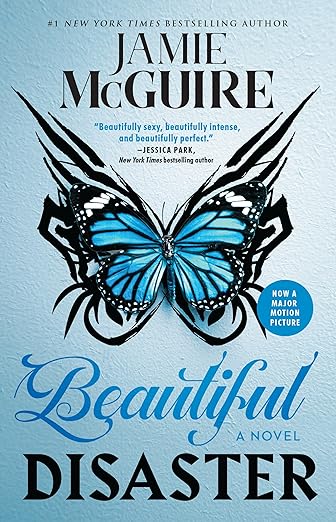
The New Adult category’s formal recognition began around 2009 when St. Martin’s Press sought submissions for fiction similar to YA but featuring slightly older characters. The term gained traction in 2012 with the explosive success of self-published titles like Jamie McGuire’s Beautiful Disaster and Colleen Hoover’s Slammed. These books demonstrated a hungry market for stories about college-aged protagonists dealing with mature themes.
The category’s growth was largely driven by self-published authors who recognised the gap in traditional publishing. Publishers initially hesitated to embrace New Adult as a distinct category, often trying to force these books into either YA or adult romance classifications, not least because that’s how shelves in bookshops and online categorisation were set out. However, the commercial success of early New Adult titles, particularly in digital formats, eventually forced traditional publishing to take notice.
Fifteen Exemplary New Adult Titles
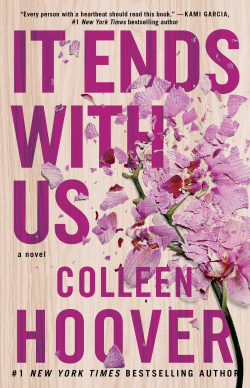
The diversity within New Adult fiction demonstrates its range and appeal. Colleen Hoover’s It Ends with Us follows Lily Bloom, a recent college graduate opening her first business while navigating a complex relationship that forces her to confront patterns of abuse. The novel explores themes of breaking cycles, self-worth, and the complexity of love, becoming a cultural phenomenon with over four million copies sold.
Jamie McGuire’s Beautiful Disaster features Abby Abernathy, a good girl trying to escape her past, and Travis Maddox, an underground fighter with commitment issues. Their tumultuous relationship at Eastern University explores themes of redemption, trust, and self-destruction, selling over two million copies worldwide.
Fangirl by Rainbow Rowell presents Cath, a socially anxious freshman navigating college while writing fanfiction. The story addresses social anxiety, family dynamics, and finding one’s voice, earning critical acclaim and a dedicated fanbase.
Jennifer L. Armentrout’s Wait for You follows Avery fleeing to West Virginia for college to escape a traumatic past, where she meets Cameron, who refuses to give up on her. The novel deals with trauma recovery, trust, and second chances, topping USA Today’s bestseller list.
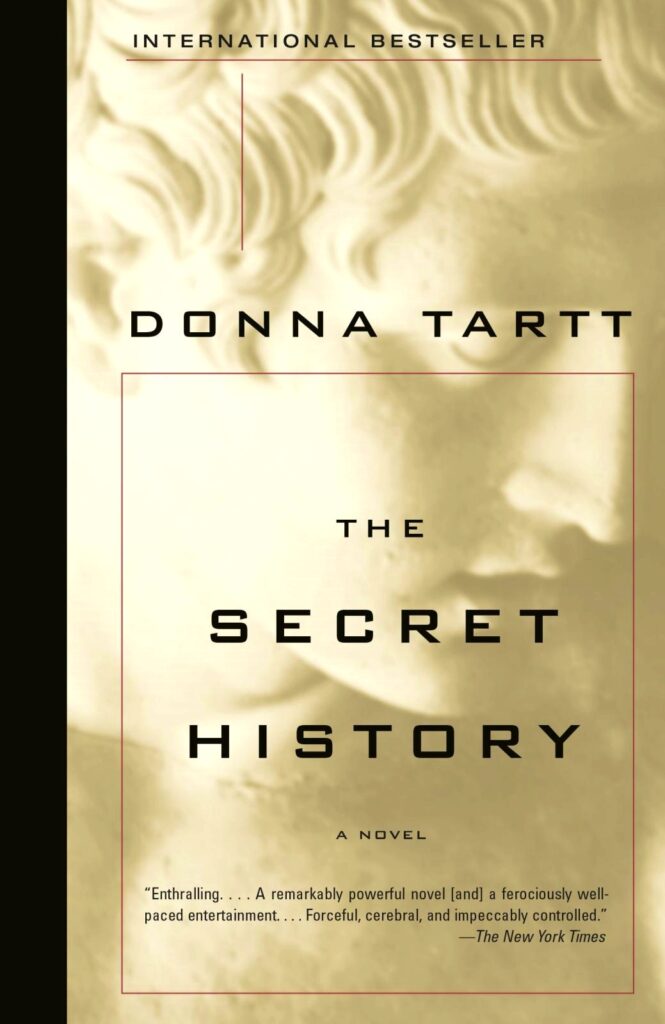
The Secret History by Donna Tartt, though published before the category’s formal recognition, is considered a foundational New Adult text. Following Richard Papen and his involvement with an exclusive classics group at a Vermont college, it explores obsession, moral ambiguity, and consequences, selling over five million copies.
Penelope Douglas’s Corrupt features Erika Fane returning from boarding school to face Michael Crist and his friends, who’ve waited three years for revenge. The dark romance explores power dynamics, revenge, and redemption, becoming a BookTok sensation.
The Deal by Elle Kennedy centres on Hannah Wells and Garrett Graham’s fake relationship arrangement at Briar University. It addresses consent, athletic pressure, and authentic connection, spawning a bestselling series.
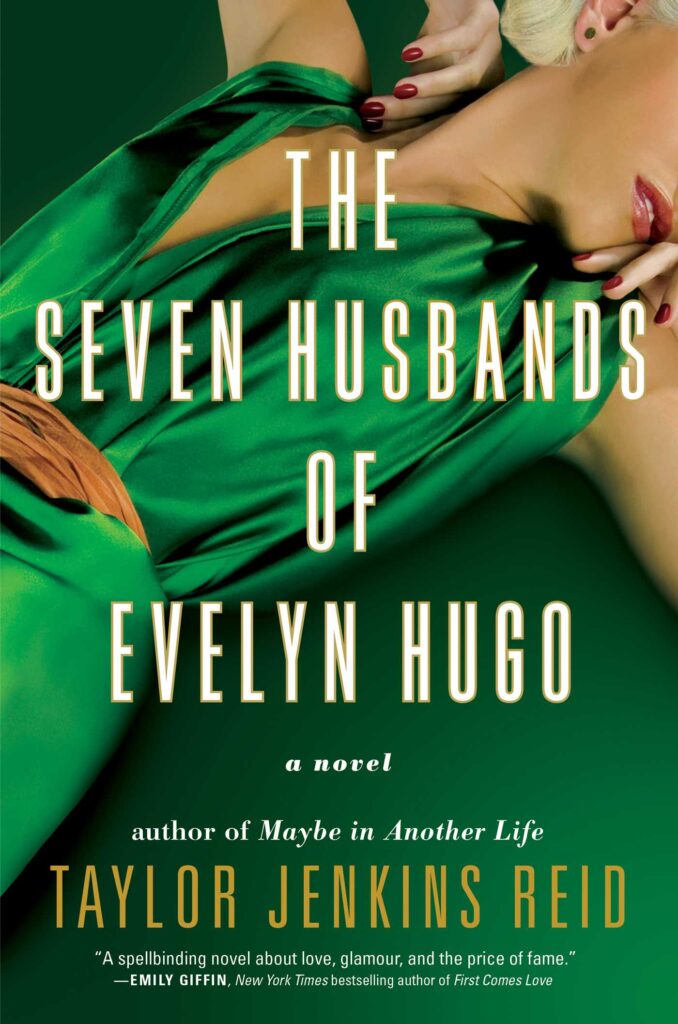
Taylor Jenkins Reid’s The Seven Husbands of Evelyn Hugo, while featuring an older protagonist reflecting back, captures the New Adult experience through Monique Grant, a young journalist finding her professional footing. It explores ambition, identity, and chosen family, selling over two million copies.
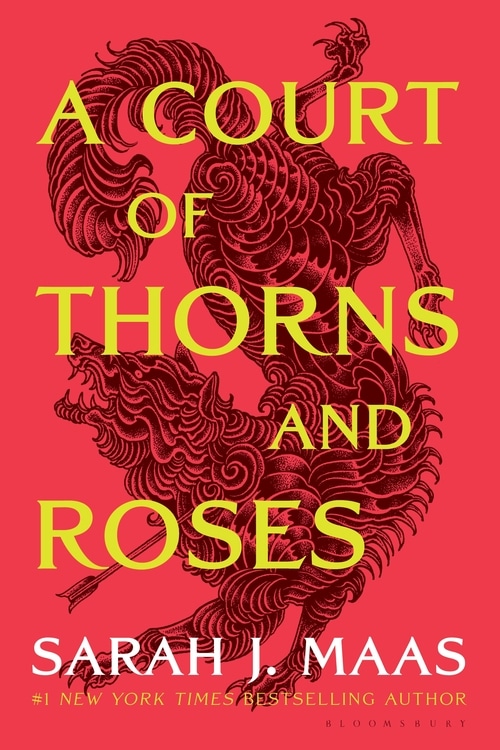
A Court of Thorns and Roses by Sarah J. Maas bridges YA and New Adult with Feyre navigating the faerie realm after killing a wolf. The series explores trauma, healing, and mature relationships, selling over 20 million copies worldwide.
Casey McQuiston’s Red, White & Royal Blue features Alex Claremont-Diaz, the First Son, falling for Prince Henry. It addresses political pressure, sexual identity, and public versus private personas, becoming an instant bestseller and cultural phenomenon.
The Hating Game by Sally Thorne follows Lucy Hutton and Joshua Templeman, executive assistants competing for the same promotion. The office romance explores professional ambition, vulnerability, and preconceptions, launching Thorne’s career.
Normal People by Sally Rooney traces Connell and Marianne from school through Trinity College Dublin. The literary fiction explores class dynamics, communication, and intimacy, selling over three million copies and winning multiple awards.
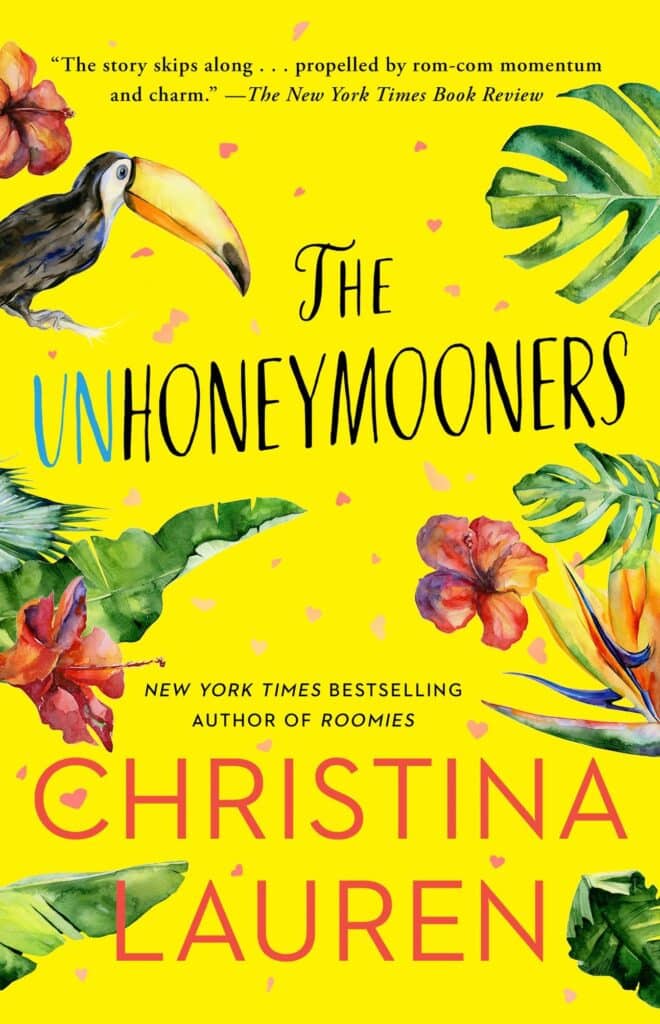
Christina Lauren’s The Unhoneymooners features Olive Torres and Ethan Thomas, enemies forced to pretend they’re newlyweds. It addresses family expectations, career uncertainty, and authentic self-presentation, hitting the New York Times bestseller list.
Beach Read by Emily Henry follows January Andrews and Augustus Everett, rival writers challenging each other to swap genres. It explores grief, writer’s block, and genre prejudices, becoming a bestseller and book club favourite.
Nicola Yoon’s The Sun Is Also a Star captures Natasha and Daniel’s single day together before her deportation. It addresses immigration, family expectations, and fate versus choice, selling over two million copies.
It’s also worth keeping in mind that two book series that were made into two of the three main all-time, go-to blockbuster movie franchises so far produced were both New Adult fiction.
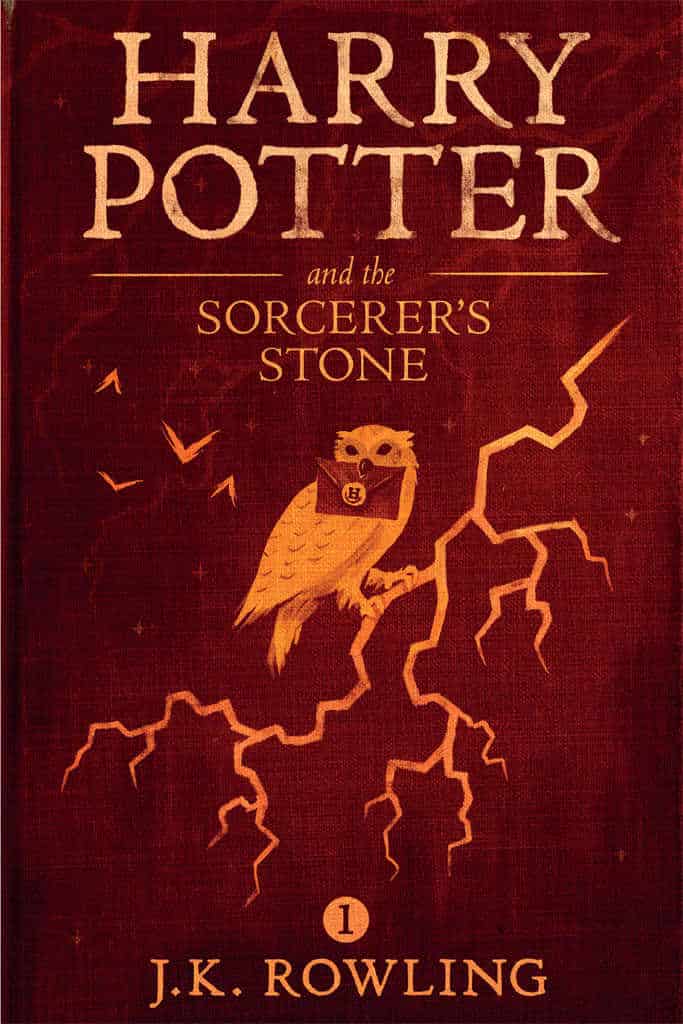
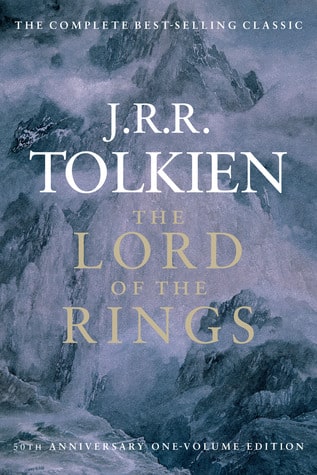
These are, of course, the Lord of the Rings trilogy together with The Hobbit, and the Harry Potter octology. And when retro-converted into novels, the same can be said about the third of the three big franchises: Star Wars.
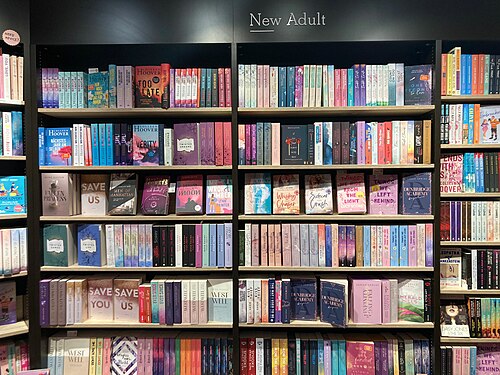
The New Adult Section of a Bookshop in Germany – A Nation of Proper Booklovers! [public domain: Wikipedia]
Industry Acceptance and Publishing Opportunities
The publishing industry’s relationship with New Adult fiction remains complex. While many traditional publishers now acknowledge the category’s commercial viability, some still hesitate to officially classify books as New Adult, preferring to market them as either upper YA or adult contemporary romance. This reluctance seems to stem partly from bookstore shelving challenges and partly from early associations with formulaic, romance-heavy plots.
Independent publishing has been instrumental in New Adult’s success. Platforms like Kindle Direct Publishing and Wattpad have allowed authors to bypass traditional gatekeepers and connect directly with readers hungry for these stories. Many New Adult bestsellers started as self-published titles before being picked up by traditional publishers.
Many New Adult bestsellers started as self-published titles before being picked up by traditional publishers.
Awards recognition remains limited, with most major literary prizes not acknowledging New Adult as a distinct category. However, the Romance Writers of America includes New Adult categories, and Goodreads Choice Awards added a New Adult category in 2013, though it was later folded back into romance.
Book bloggers and online communities have created their own awards and recognition systems, demonstrating the grassroots nature of the category’s support.
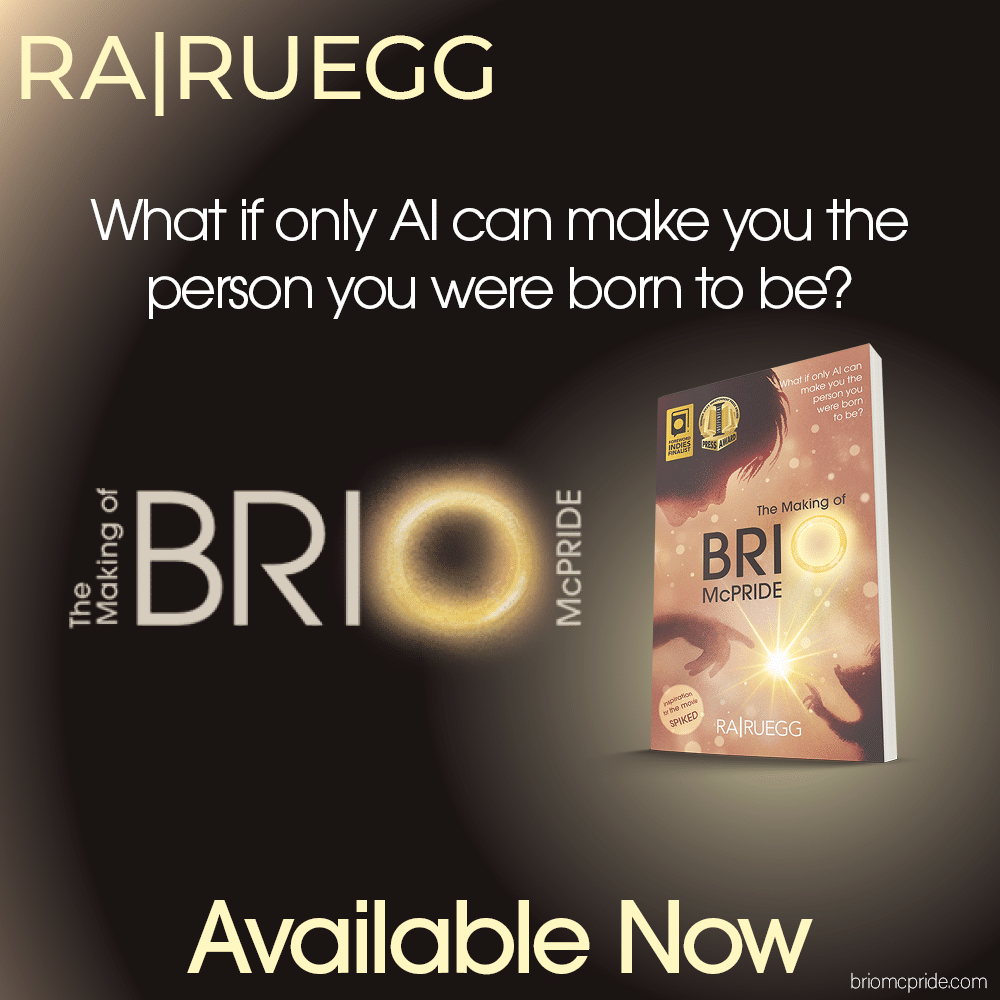
The Making of Brio McPride
The Making of Brio McPride presents an intriguing case study for New Adult fiction’s boundaries and evolution. While the protagonist is fifteen, placing it technically in YA territory, the novel’s treatment of mental health, narrative complexity, and thematic depth align more closely with New Adult sensibilities, and Adult, too.
The story follows Brio, a teenager grappling with grief, mental health challenges, and questions about his identity and sexuality through experimental narrative hypnotherapy. The novel’s sophisticated exploration of therapy, technology’s impact on mental health, and corporate influence on healthcare systems speaks to concerns more typical of emerging adults than traditional teen readers.
What makes this work particularly relevant to New Adult discussions is its liminal positioning. The novel bridges YA and adult fiction through its experimental narrative structure, incorporating fantasy elements through Brio’s ‘Hoggit’ stories while addressing serious contemporary issues like AI ethics and mental health treatment.
This complexity reflects New Adult’s capacity to handle sophisticated narrative techniques while maintaining accessibility for younger readers transitioning into more challenging literature. The slightly mixed reception, with most reviewers praising its depth but others finding it too complex for YA audiences, clearly illustrates the ongoing challenge of categorising books that resist traditional age-based classifications.
The Future of New Adult Fiction
The future of New Adult fiction appears both promising and uncertain. As society continues to redefine adulthood milestones, with people marrying later, changing careers more frequently, and facing economic challenges that extend dependence on family support, the themes explored in New Adult fiction become increasingly relevant to wider audiences.
The category’s growth will likely continue to be driven by digital publishing and social media platforms, where readers can discover and share titles that speak to their specific experiences without traditional publishing gatekeepers.
The rise of BookTok and similar social media communities has already transformed how New Adult books reach the right readers. These platforms allow for nuanced discussions about content and themes, helping readers find books that match their emotional and intellectual needs regardless of official categorisation.
This grassroots marketing approach suits New Adult fiction perfectly, as it allows books to find their natural audience without being constrained by traditional marketing categories.
The increasing diversity within New Adult fiction, moving beyond its early romance-heavy reputation to include literary fiction, science fiction, fantasy, and thriller elements, suggests a maturing category that can accommodate various genres and styles.
Traditional publishing’s continued ambivalence toward the category may ultimately prove irrelevant. As demonstrated by the success of authors like Colleen Hoover and Sarah J. Maas, readers will find and support stories that resonate with them regardless of how publishers choose to label them.
The category may evolve to become less about rigid age demographics and more about thematic content and emotional resonance.
The increasing diversity within New Adult fiction, moving beyond its early romance-heavy reputation to include literary fiction, science fiction, fantasy, and thriller elements, suggests a maturing category that can accommodate various genres and styles.
Books like The Making of Brio McPride, which challenge easy categorisation, may well represent the future direction of New Adult fiction, where complexity and accessibility coexist, and where the transition to adulthood is recognised as the multifaceted, non-linear journey it truly is.
Ultimately, New Adult fiction’s future lies not in official recognition or traditional publishing support but in its ability to continue evolving with its readers’ needs. As long as there are people navigating the challenging terrain between adolescence and established adulthood, there will be a need for stories that acknowledge this unique life stage’s complexities, uncertainties, and possibilities.
The category’s flexibility and responsiveness to reader demands, combined with alternative publishing platforms that bypass traditional constraints, suggest that New Adult fiction will continue to thrive and evolve, regardless of whether the publishing industry fully embraces it as a legitimate category.
The enduring appeal of New Adult fiction lies in its recognition that becoming an adult isn’t a switch that flips at eighteen or twenty-one, but rather a gradual, often messy process of self-discovery, mistake-making, and growth, with periods of event-triggered regression and bursts of rapid development.
As long as this truth resonates with readers, New Adult fiction will have a vital place in the literary landscape, continuing to bridge the gap between youth and adulthood with stories that honour the complexity and importance of this transformative life stage.

Reference Bibliography
Dane, A., Berkman, J., DeBortoli, E., Wallingford, C. K., Yanes, T., & McInerney-Leo, A. (2025). Narrative therapy and family therapy in genetic counseling: A scoping review. Journal of Genetic Counseling, 34(2), e1938. https://doi.org/10.1002/jgc4.1938
Felman, A. (2024, October 4). Narrative therapy: Definition, uses, and more. Medical News Today. Medically reviewed by Lori Lawrenz, PsyD. https://www.medicalnewstoday.com/articles/narrative-therapy
Psychology Today Staff. (2022, October 13). Narrative Therapy. Psychology Today. https://www.psychologytoday.com/us/therapy-types/narrative-therapy
Guy-Evans, O. (n.d.). Narrative Therapy: Definition, Techniques & Interventions. Simply Psychology. https://www.simplypsychology.org/narrative-therapy.html
Zhao, Y. (2025). Narrative therapy and older adults living alone. Journal of Social Work. Taylor & Francis. https://doi.org/10.1080/02650533.2025.2495744
***
Learn more about The Making of Brio McPride here, and to purchase, here.
30% of royalties go to support UK and US mental health charities.
Please connect with me on X, Facebook, and Instagram.